
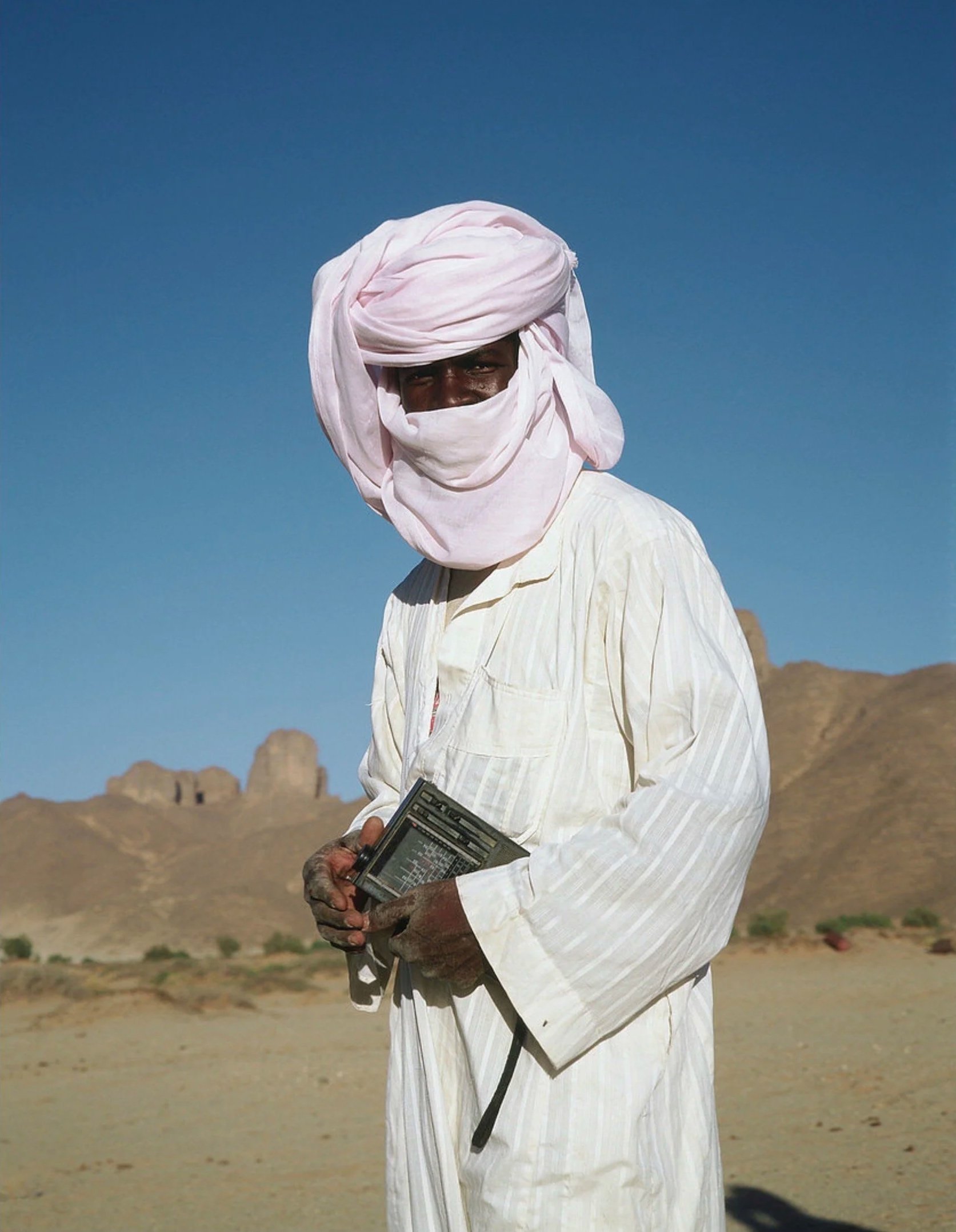
“In the eighth century the Upper Senegal valley was part of the Ghana empire. Ghana was ruled by a Soninke dynasty that drew its power from the trans-Saharan gold trade centered in Bambuk and Bure, linked to the Sahara towns of Awdagost. Alongside the influence of Ghana, radiating over a large part of the Sahel, the region faced pressure from the Sanhaja Berber confederations, controllers of the market at Awdagost. This is the context that, with hindsight, explains the migrations of Sereer, Wolof, Peul, and Tukulor populations from Adrar in the north into the Senegal valley, at a time of steady desertification in the Sahel. The migrants settled down or moved farther south, where they displaced or overran the Soce, considered the oldest inhabitants of northern Senegambia.”
— Boubacar Barry, 1997
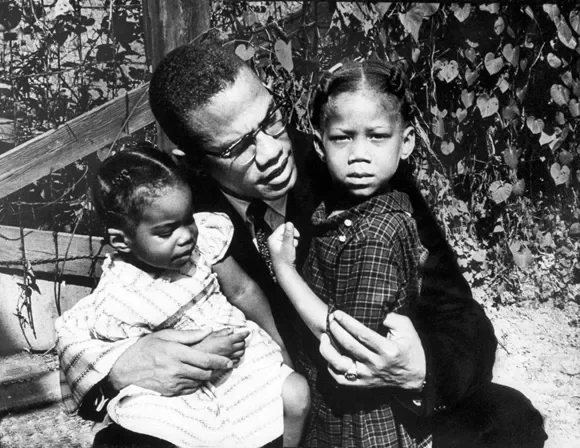
“Malcolm X was a political man, and after he achieved a painful independence from the Nation in 1964 he was finally free to become politically active. However, throughout his life, Malcolm pursued religious ideas and came to reflect deeply on the relationship between God, the oppressed, and the oppressor. His story is itself a religious story, a double-barreled conversion narrative that inevitably reveals that he was a man with personal religious interests— that he was a man who was as concerned with redemption as with revolution.”
— Louis DeCaro, Jr., 1995
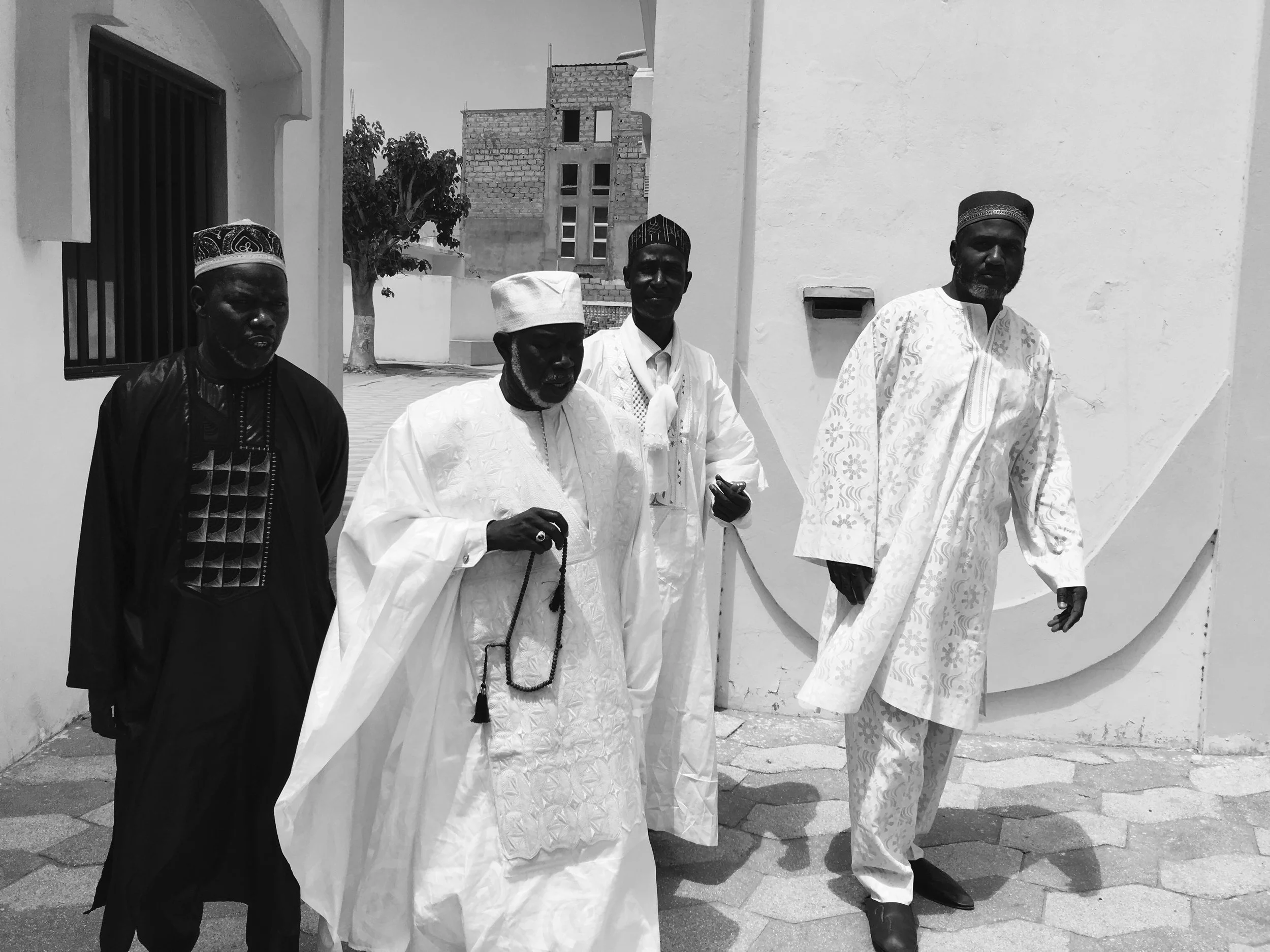
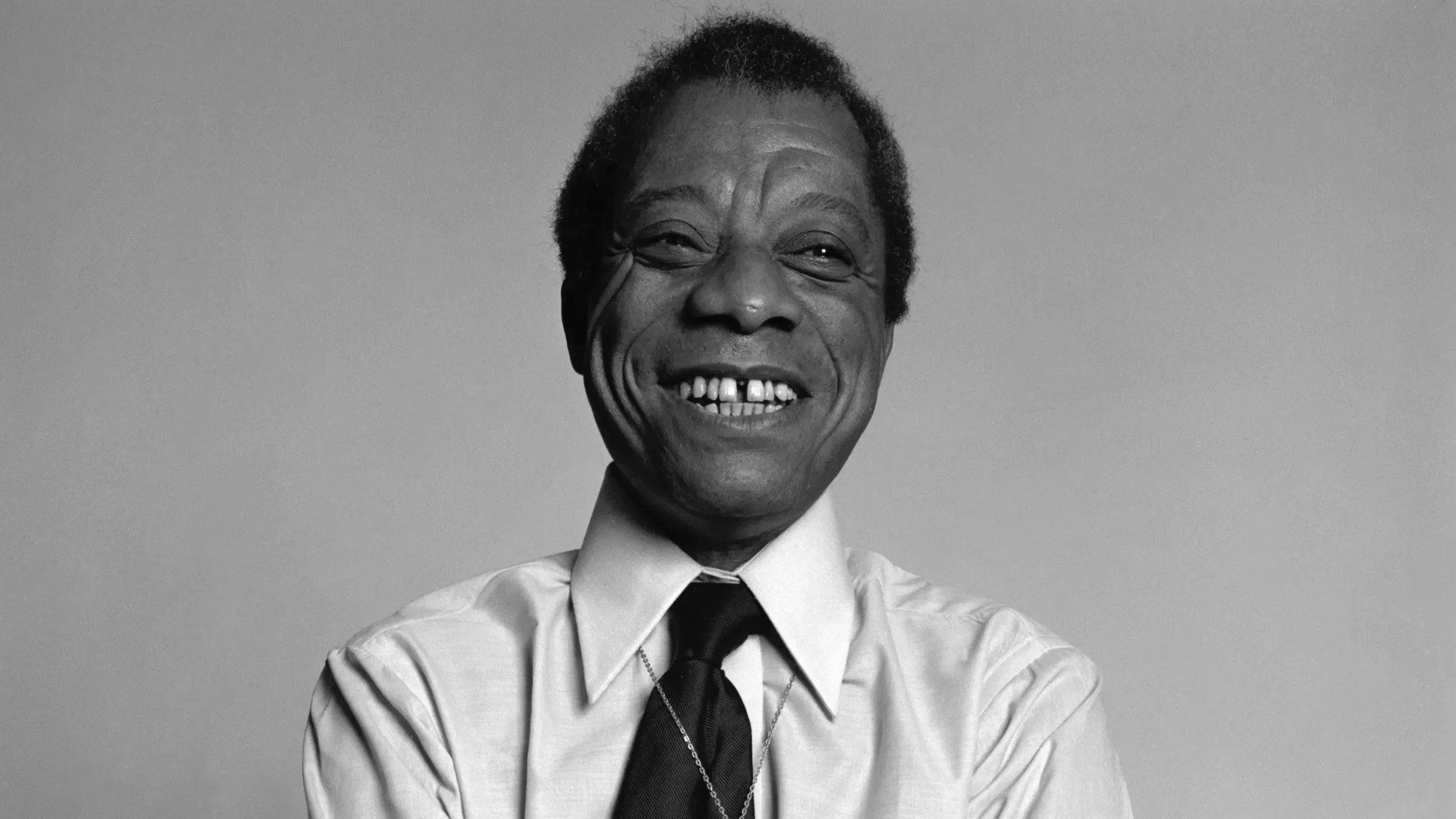
“They are, in effect, still trapped in a history which they do not understand; and until they understand it, they cannot be released from it. They have had to believe for many years, and for innumerable reasons, that black men are inferior to white men. Many of them, indeed, know better, but, as you will discover, people find it very difficult to act on what they know. To act is to be committed, and to· be committed is to be in danger. In this case, the danger, in the minds of most white Americans, is the loss of their identity.
— James Baldwin, 1963